

Which Moves Better: Franchise or Independent Movers?
Franchise movers offer brand consistency for local moves; independent movers provide flexibility and area expertise. Compare both models. Call.

Which Moves Better: Franchise or Independent Movers?
Last Updated: February 2026
A franchise vs independent movers comparison reveals two distinct business models that serve different moving needs. Franchise movers operate under an established brand with standardized processes and national support systems, similar to how McDonald's operates across locations. Independent movers are standalone businesses focused on localized service, area knowledge, and direct customer relationships without corporate oversight. Understanding these differences matters because your choice affects service quality, pricing transparency, and whether your move receives personalized attention or corporate processing. The moving industry requires specific licensing, insurance, and background checks regulated by the Federal Motor Carrier Safety Administration (FMCSA), and both franchise and independent operations must meet these standards.
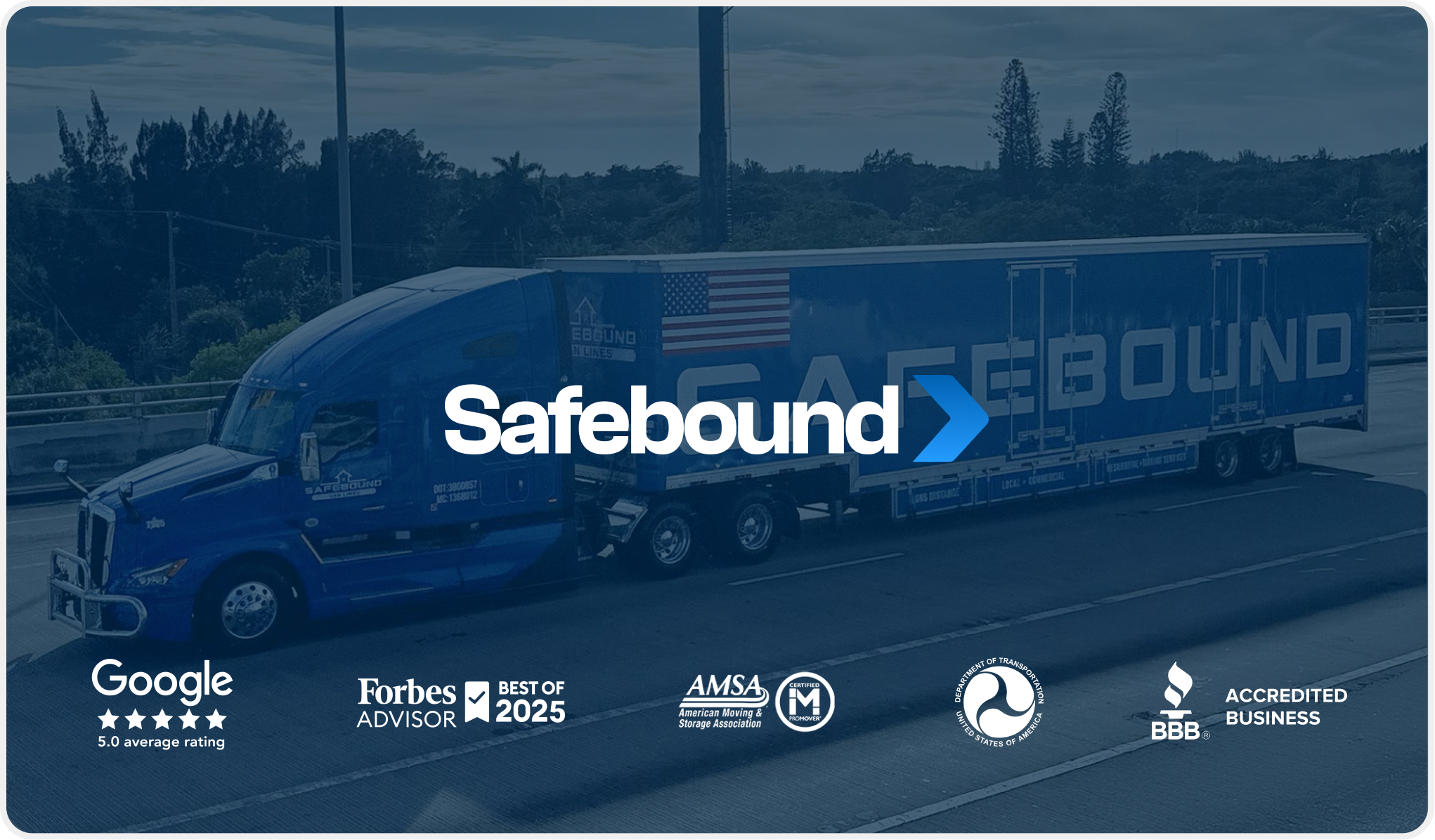
Selecting between these models depends on your move type, distance, and service expectations. Local and intrastate moves often benefit from independent movers' hourly flexibility and neighborhood expertise. Interstate and long-distance relocations typically require the coordinated resources that franchise networks or van line agents provide. Safebound Moving & Storagea professional moving company headquartered in West Palm Beach, Florida, demonstrates how professional carriers succeed through trained, background-checked crews and transparent pricing across all move types. With 35,000+ completed moves and a 4.9-star rating across 2,401 Google reviews, Safebound serves residential families, commercial businesses, and corporate clients throughout the lower 48 states with full-service moving, custom crating, and climate-controlled storage.
Key Takeaways
- Franchise movers apply uniform systems across locations but may limit flexibility; independent movers excel at personalization but lack interstate coordination infrastructure.
- Interstate moves require USDOT and MC numbers verified through FMCSA registration; local intrastate moves fall under state licensing like Florida's IM designation.
- Professional movers must undergo background checks and training, certified through standards like AMSA's ProMover program and BBB accreditation.
- locked-in price lock pricing for franchises and independents, while non-locked-in price leave final cost uncertain. Request binding quotes to protect against bait-and-switch tactics.
- Van line agents (coordinated independent networks) bridge franchise and independent models for smooth long-distance moves across state lines.
What Defines a Franchise Moving Company?
Franchise movers are licensed operators that purchase rights to use an established brand's name, systems, and support network. They follow uniform procedures, use consistent branding, and benefit from centralized marketing while maintaining independent ownership of local operations. A franchise moving company applies the parent brand's standards to local service delivery, enabling customers to expect similar experiences across different locations.
Franchise models require substantial upfront investment and ongoing royalties to the franchisor. In exchange, franchise owners gain operational guidance, training materials, marketing support, and access to the parent company's reputation. However, this structure can limit flexibility in pricing, scheduling, and service customization because franchisees must adhere to brand standards. Peak moving seasons (May through September) create scheduling bottlenecks even for franchises, since individual locations operate with fixed crew sizes. Franchises excel for local and intrastate moves where brand consistency and established local presence matter, but coordinating interstate relocations requires partnerships with van line networks because individual franchise locations cannot efficiently service cross-country moves. The American Moving & Storage Association (AMSA) sets professional standards that both franchises and independents must follow, including licensing verification, insurance requirements, and ethical business practices.
How Do Independent Movers Operate Differently?
Independent movers are standalone businesses owned and operated without affiliation to a national brand, franchise network, or van line. They focus on localized service areas, build direct relationships with customers, and maintain flexibility in pricing, scheduling, and service offerings without corporate approval requirements. Independent operators typically charge hourly rates for local moves, allowing customers to control costs based on actual time needed rather than fixed flat rates.
Independent movers excel at personalized service because direct owner involvement means customers interact with decision-makers rather than call centers. This model reduces overhead compared to franchises, potentially enabling lower pricing for local moves within a limited service area. However, independent movers face inherent limitations for long-distance relocations because they lack the interstate coordination infrastructure required for interstate moves. When an independent mover needs to relocate a customer across state lines, they either decline the job or partner with a van line agent, adding complexity and cost. Professional independent movers must still obtain USDOT numbers, MC numbers, and state licensing (such as Florida's IM designation) and undergo the same background checks and training as franchises. According to industry standards from AMSA, independent movers serving interstate customers must carry liability coverage of at least $750,000 and maintain detailed records for every shipment. Small teams of 2-3 people characterize most independent operations, creating scheduling challenges during peak season when demand exceeds available crew availability.
Which Model Offers Better Pricing Transparency?
A locked-in price provide pricing protection for both franchise and independent movers, locking in a final price that cannot increase unless customers request additional services. Transparent pricing means no hidden fees, clear service descriptions, and honest estimates based on accurate move assessments. Professional movers use pre-move surveys or detailed questionnaires to generate realistic quotes, while bait-and-switch tactics quote artificially low prices to secure jobs, then demand payment increases at pickup.
Independent movers typically charge hourly rates ($135-$225+ per hour depending on crew size) for local moves, enabling customers to based on realistic timelines. Franchise movers often use similar hourly structures for local service but may impose minimum charges or additional fees for specific services. Long-distance pricing diverges significantly: independent movers cannot efficiently quote long-distance moves because they lack interstate coordination, while franchises partner with van lines using weight-based or cubic-feet pricing for interstate relocations. Safebound Moving & Storage publishes transparent local rates (2 movers at $135/hour, 3 movers at $180/hour, 4 movers at $225/hour) with minimum charges disclosed upfront (3 hours labor plus 1 travel hour). The company avoids low-ball estimates followed by price increases, instead providing realistic quotes that reflect the actual work required. Professional carriers registered with FMCSA must honor locked-in price and cannot charge more than the quoted amount for the same services, protecting customers against unexpected final bills at delivery.
What Red Flags Indicate Moving Company Problems?
Red flags include quotes with no detailed breakdown, pressure to pay large deposits before pickup, refusal to provide USDOT and MC numbers, crews with no background checks, and reluctance to furnish locked-in price or insurance documentation. Legitimate movers welcome verification because transparency builds customer trust and demonstrates compliance with federal and state regulations.
Bait-and-switch tactics represent the most common moving scam: companies quote prices far below market rates to secure jobs, then demand substantially higher payment when crews arrive. This occurs because dishonest movers intentionally underestimate job complexity during the quote phase. Moving company red flags also include unlicensed operators, uninsured crews, day laborers without training, and failure to itemize services. Professional movers should provide detailed inventory lists, bind estimates showing line-item services and costs, proof of insurance with minimum $750,000 liability coverage, and FMCSA registration numbers. Verify credentials through safer.fmcsa.dot.gov for USDOT numbers and MC numbers, or check state licensing through fdacs.gov for Florida-specific IM licenses. The Better Business Bureau (BBB) maintains accreditation records; BBB-accredited movers commit to ethical business practices and dispute resolution. AMSA membership indicates commitment to industry standards, while ProMover certification confirms professional training and background checks on all crew members. Ask potential movers how they prevent damage, how they handle claims, and whether they employ W2 staff or day laborers. Professional carriers employ trained, background-checked full-time employees rather than temporary workers, ensuring consistent service quality and accountability.
How Do Van Lines Differ from Franchises and Independents?
Van lines coordinate networks of independently owned agents across the United States, enabling smooth long-distance moves by connecting origin agents (local movers at your starting location) with destination agents (local movers at your destination). Van line agents operate as independent businesses but join coordinated networks through formal agreements, providing customers the scale and infrastructure of national operations combined with local agent expertise. This hybrid model addresses the fundamental limitation of pure independent movers: they cannot efficiently execute interstate relocations because they lack partner networks at distant destinations.
Van lines like industry standards coordinate shipments across state lines, manage billing and claims centrally, and ensure consistent service through established agent networks. Origin agents in your home state handle packing, loading, and truck positioning, while destination agents receive your household goods and complete unpacking, unloading, and furniture assembly. This handoff approach requires detailed inventory documentation, clear communication protocols, and established procedures. Standards that benefit customers by reducing damage risk and simplifying claims. However, van line agents face coordination complexity because each agent operates independently while following network protocols. Franchise movers attempting to offer national service often partner with van line networks rather than developing their own interstate operations. Professional van line agents must maintain USDOT registration, MC numbers, and state licensing identical to other carriers; the primary difference is their networked coordination rather than independent operation or corporate franchise structure. When evaluating movers for long-distance relocations, selecting established agents within recognized van line networks provides superior coordination and support compared to independent movers attempting cross-country moves through temporary partnerships.
Should You Choose a Franchise or Independent Mover?
The decision depends on your move type, distance, timeline, and service priorities. Local and intrastate moves benefit from independent movers' flexibility and area knowledge; interstate moves require franchise resources or van line agents with interstate coordination infrastructure. First-time professional moving customers prioritizing education and guidance should select carriers with transparent communication, detailed quotes, and accessible customer service representatives who explain processes and answer questions.
Consider these factors: Does the mover serve your origin and destination locations? Can they provide locked-in price in writing? Do they employ trained, background-checked full-time movers or temporary day laborers? Are they licensed, insured, and registered with FMCSA for interstate moves? Do they offer full-service packing, furniture disassembly/reassembly, and white-glove service options matching your needs? Safebound Moving & Storage serves all lower 48 states through company-owned trucks and trained W2 employee crews, rather than franchisees or day laborers, ensuring consistent quality and direct accountability. For customers previously burned by unethical movers, professional carriers with strong track records (Safebound: 35,000+ moves, 4.9 stars across 2,401 reviews, featured by USA Today) demonstrate reliability through proven results. Residential customers with families, commercial businesses needing office relocation, and high-net-worth individuals relocating internationally benefit from full-service professional carriers that handle packing, custom crating for valuable items, climate-controlled storage, and white-glove furniture assembly. Compare franchise efficiency with independent flexibility by requesting proposals from both types, evaluating total cost (hourly rates plus minimums and fees), service scope, insurance coverage, and customer reviews specific to your move profile.
Frequently Asked Questions
What are three disadvantages of a franchise?
Franchise movers face limited flexibility because franchisees must follow corporate standards even when customer needs require customization. Overhead costs from franchise fees and royalties sometimes translate to higher customer pricing compared to independent competitors. Franchise models struggle with interstate coordination because individual franchisees operate in limited regions; cross-country moves require partnerships with van line networks, adding complexity and delays.
What are red flags with moving companies?
Red flags include quotes without detailed service breakdowns, pressure to pay large deposits before pickup, refusal to provide USDOT and MC numbers for verification, crews lacking background checks or professional training, reluctance to furnish locked-in price, absence of insurance documentation, and unwillingness to itemize charges. Legitimate professional movers welcome verification through FMCSA registration, BBB accreditation, and state licensing verification because transparency demonstrates compliance and builds customer confidence in service reliability and accountability.
What is the difference between independent and franchise?
Independent movers operate as standalone businesses without affiliation to national brands, offering flexibility and personalized local service with hourly pricing. Franchise movers purchase rights to use established brand systems and support networks, providing consistent service standards across locations but with less flexibility and higher overhead. Franchises excel for local moves with brand recognition; independents excel for personalization but lack interstate infrastructure. Both must meet identical FMCSA licensing, background check, and insurance standards for legitimate operation.
Which franchise is most profitable?
Profitability depends on market selection, operational efficiency, and service quality rather than franchise selection alone. Franchise movers in high-density metropolitan areas with substantial local demand generate revenue through high move volume at consistent rates. Factors affecting profitability include local competition, franchise fee structure, royalty percentages, crew efficiency, and customer retention. Professional franchise operators in growing regions with strong brand recognition typically outperform independent competitors through pricing power and volume advantages.
How do I verify a mover's credentials and licensing?
For interstate movers, verify USDOT numbers and MC numbers through safer.fmcsa.dot.gov maintained by the Federal Motor Carrier Safety Administration. For Florida state movers, check IM licenses through fdacs.gov (Florida Department of Agriculture and Consumer Services). Verify BBB accreditation status at bbb.org. Confirm AMSA ProMover certification through the American Moving & Storage Association website. Request insurance documentation showing minimum $750,000 liability coverage. Professional movers like Safebound provide all credentials upfront: USDOT 2900155, MC MC00975408, FL IM2839, BBB accreditation, ProMover certification, and AMSA membership.
What does a locked-in price mean for moving costs?
A locked-in price locks in the final moving cost before the truck arrives, preventing price increases unless you request additional services beyond the original scope. This protects customers from bait-and-switch tactics where movers quote low prices then demand substantially higher payment at pickup. Non-locked-in price provide only approximate costs; final bills may exceed the quote. Always request locked-in prices in writing with detailed line-item breakdowns showing labor hours, materials, fuel, and service fees.
Can independent movers handle long-distance moves?
Independent movers cannot efficiently execute long-distance interstate relocations because they lack partner networks at distant destinations. Some independents may partner temporarily with van line agents to offer long-distance service, but coordination complexity increases risk of delays, damage, and communication breakdowns. For interstate moves, franchise movers or established van line agents provide superior infrastructure through coordinated origin and destination agents, centralized billing, and proven damage prevention protocols. Long-distance moves spanning multiple states require FMCSA interstate authority and coordination capabilities that individual independent movers lack.
What training and background checks should professional movers have?
Professional movers must undergo background checks verified through AMSA ProMover certification and BBB requirements, ensuring crew members have no criminal history that threatens customer safety. Training covers proper equipment use, packing techniques, furniture disassembly/reassembly, damage prevention, customer service standards, and claims procedures. W2 employees (full-time staff) receive full-service training and ongoing professional development, while day laborers typically lack formal training. Safebound Moving & Storage employs trained, background-checked crews on W2 employment, ensuring accountability and consistent service quality.
How do I avoid moving scams and bait-and-switch tactics?
Avoid low-ball quotes far below market rates, which indicate bait-and-switch intent. Request locked-in prices with detailed service breakdowns; compare multiple quotes to understand fair pricing. Verify USDOT, MC, and state licensing before committing. Check BBB accreditation and customer reviews focusing on whether final costs matched estimates. Professional movers provide realistic quotes based on detailed surveys or full-service questionnaires; they explain pricing factors and welcome questions. Never pay large deposits; most legitimate carriers require payment at delivery.
How much does Safebound charge for moving services?
Safebound charges $135/hour for a 2-mover crew, $180/hour for 3 movers, and $225/hour for 4 movers. Every local move includes a 3-hour labor minimum plus 1 travel hour, making minimum charges $540, $720, and $900 respectively. Long-distance moves use flat-rate pricing based on volume in cubic feet with a 400 cubic foot minimum. Call 561-510-7191 or visit safeboundmoving.com/get-a-free-quote/ for your locked-in price.
About the Author
Leo Cavaretta | Moving Industry Specialist
Leo Cavaretta is a moving industry specialist with extensive experience in residential and commercial relocations. With a deep understanding of interstate moving regulations, customer service best practices, and logistics coordination, Leo provides expert guidance to help customers navigate the moving process with confidence. At Safebound Moving & Storage, Leo is committed to educating customers on what to expect from professional movers and how to ensure a smooth, transparent moving experience.
With 35,000+ completed moves and a 4.9-star rating from 2,401 Google reviews, Safebound has earned recognition as one of Florida's top movers. Safebound Moving & Storage is licensed, insured, and certified throughout Florida and the continental United States.
USDOT 2900155 | MC MC00975408 | FL IM2839 | $750,000 insured
BBB Accredited | ProMover Certified | AMSA Member | Forbes Featured
Verify at fdacs.gov or safer.fmcsa.dot.gov
Conclusion
Franchise and independent movers serve different moving needs based on distance, local expertise, and service flexibility. Franchises provide brand consistency and established systems for local moves; independents excel at personalization and hourly flexibility within limited service areas. Both models must meet FMCSA licensing, background check, and insurance standards to operate legally. For long-distance relocations, van line agents or franchise networks with interstate coordination provide the infrastructure that independent movers cannot match. When selecting a mover, prioritize transparent pricing through locked-in price, verified credentials through FMCSA and state licensing, professional training and background checks on crews, and strong track records through BBB accreditation and customer reviews. Safebound Moving & Storage demonstrates professional excellence through trained, background-checked W2 employee movers, transparent pricing with no hidden fees, 35,000+ completed moves, and 4.9-star customer ratings across 2,401 reviews. Get a free quote today or call 561-510-7191. Safebound is available Mon-Fri 8:30am-9pm and Sat-Sun 10am-6pm.
Disclaimer: This content is for informational and educational purposes only. Moving costs vary based on distance, volume, services required, and timing. All moves are subject to Safebound's terms of service and require formal written estimates. Contact Safebound directly at 561-510-7191 for accurate pricing specific to your move. Safebound Moving & Storage is licensed and insured: USDOT 2900155, MC MC00975408, FL IM2839. $750,000 cargo coverage. BBB Accredited. ProMover Certified. AMSA Member.
or Call Now (561) 559-5725
Keep Exploring
Keep the learning going with these posts.
